Online marketing software plays a central role in how businesses promote products, communicate with customers, and measure performance online. For many people, especially those new to digital marketing, the variety of tools available can be confusing. Each type of software serves a different purpose, and understanding these differences is essential for making the right choice.
This guide explains the main types of online marketing software, what each one does, and how businesses use them in real-world scenarios.
Understanding what online marketing software is and how it works
makes it easier to see how these different tools fit together.
What Are the Main Types of Online Marketing Software?
Online marketing software can be grouped into categories based on function. Each category addresses a specific part of the marketing process, from attracting visitors to converting and retaining customers.
Understanding what online marketing software is and how it works helps clarify why these categories exist and how they fit together within a marketing system.
Email Marketing Software
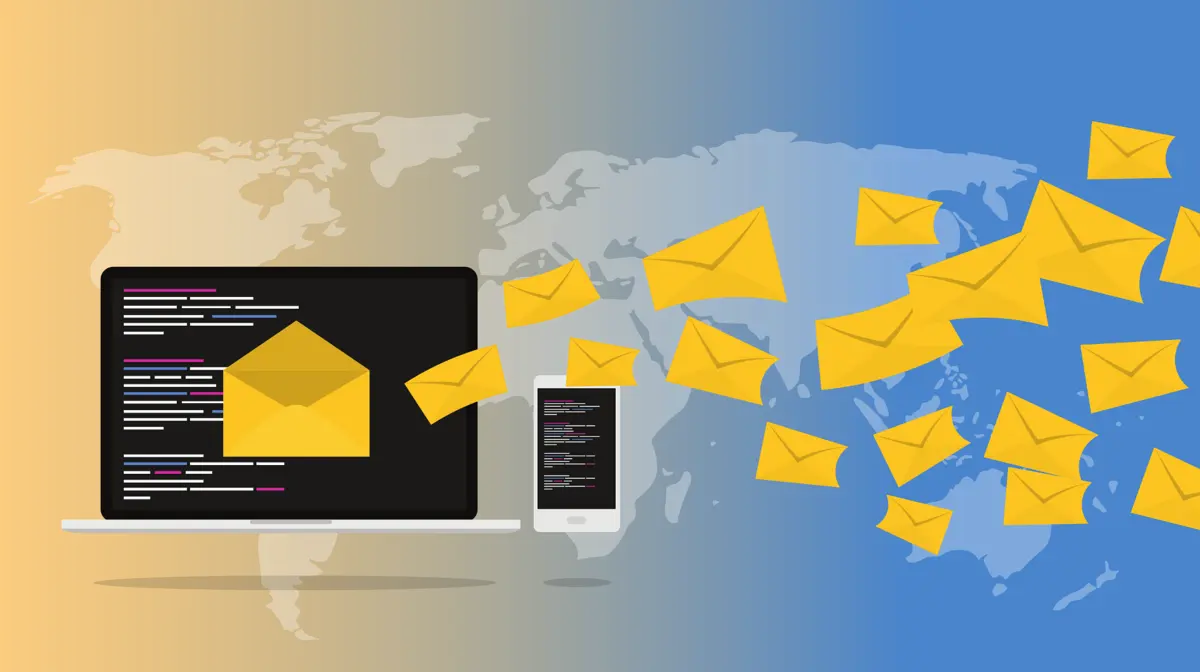
Email marketing software is one of the most widely used types of online marketing tools. These platforms help businesses send newsletters, promotional messages, and automated emails to subscribers.
Most email marketing tools include features such as:
- Email templates
- Contact list management
- Scheduling and automation
- Performance tracking
Businesses use email marketing software to nurture leads, announce updates, and maintain regular communication with customers. It is often the first tool businesses adopt when starting online marketing.
Marketing Automation Software

Marketing automation software goes beyond sending emails. It allows businesses to create workflows that trigger actions based on user behavior.
Common automation features include:
- Welcome email sequences
- Lead tagging and scoring
- Behavior-based follow-ups
- Campaign scheduling
Automation reduces manual effort and ensures consistency. Businesses use these tools to manage complex campaigns efficiently while delivering personalized experiences at scale.
Lead Generation Software
Lead generation software focuses on capturing visitor information and turning website traffic into potential customers. These tools typically include forms, landing pages, and pop-ups.
Businesses use lead generation software to:
- Collect email addresses
- Qualify prospects
- Segment audiences
- Track interest levels
This type of software is essential for building marketing lists and supporting sales pipelines.
Customer Relationship Management (CRM) Software
CRM software helps businesses manage relationships with leads and customers. It stores contact details, tracks interactions, and organizes communication history.
CRM tools are commonly used to:
- Monitor sales pipelines
- Track customer activity
- Improve follow-ups
- Coordinate sales and marketing teams
While not exclusively marketing-focused, CRM software plays a key role in online marketing by connecting campaigns to real customer outcomes.
Analytics and Tracking Software
Analytics software measures how users interact with websites, emails, and campaigns. These tools provide insights into traffic sources, engagement, and conversions.
Businesses rely on analytics software to:
- Identify high-performing content
- Track campaign effectiveness
- Understand audience behavior
- Optimize marketing strategies
Without analytics, it is difficult to know which marketing efforts are producing results.
Social Media Marketing Software
Social media marketing software helps businesses manage content across platforms such as Facebook, Instagram, LinkedIn, and X.
These tools typically offer:
- Post scheduling
- Content calendars
- Engagement tracking
- Performance reporting
Businesses use social media software to maintain consistent posting schedules and analyze audience engagement across channels.
Content Marketing Software
Content marketing software supports the planning, creation, and distribution of blog posts, videos, and other digital content.
Key functions often include:
- Editorial calendars
- Collaboration tools
- Content optimization features
- Performance tracking
This type of software helps businesses maintain consistent content strategies and align content with marketing goals.
Advertising and Paid Media Software
Paid media software is used to manage online advertising campaigns across search engines and social platforms. These tools help businesses create, monitor, and optimize ads.
Common use cases include:
- Budget management
- Audience targeting
- Performance tracking
- Conversion optimization
Advertising software is especially useful for businesses running multiple campaigns simultaneously.
All-in-One Online Marketing Platforms
All-in-one platforms combine multiple marketing functions into a single system. These platforms often include email marketing, automation, landing pages, analytics, and CRM features.
Businesses choose all-in-one solutions to:
- Reduce tool overload
- Simplify workflows
- Centralize data
- Lower operational complexity
For many small businesses and beginners, all-in-one platforms offer the most practical starting point.
How These Software Types Work Together
Most businesses do not rely on just one type of online marketing software. Instead, they combine tools to create a complete marketing system.
For example:
- Lead generation tools capture visitor information
- Email and automation software nurture leads
- CRM software manages customer relationships
- Analytics tools measure performance
Understanding how these tools connect helps businesses design efficient marketing workflows.
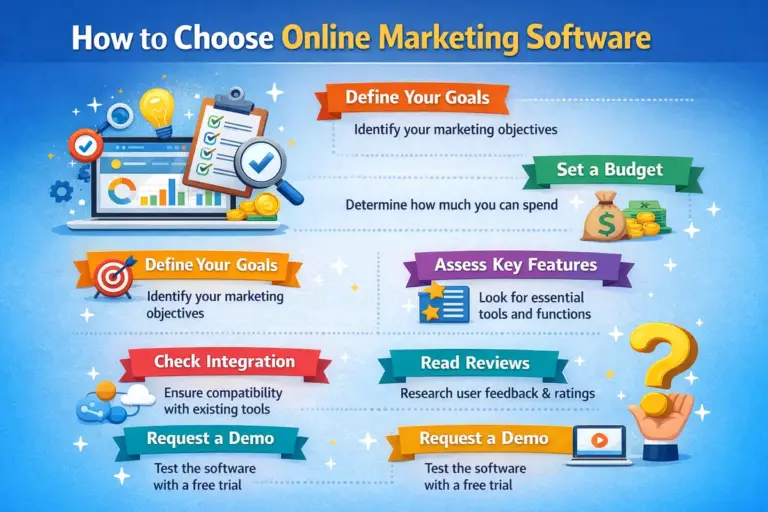
Choosing the Right Type of Online Marketing Software
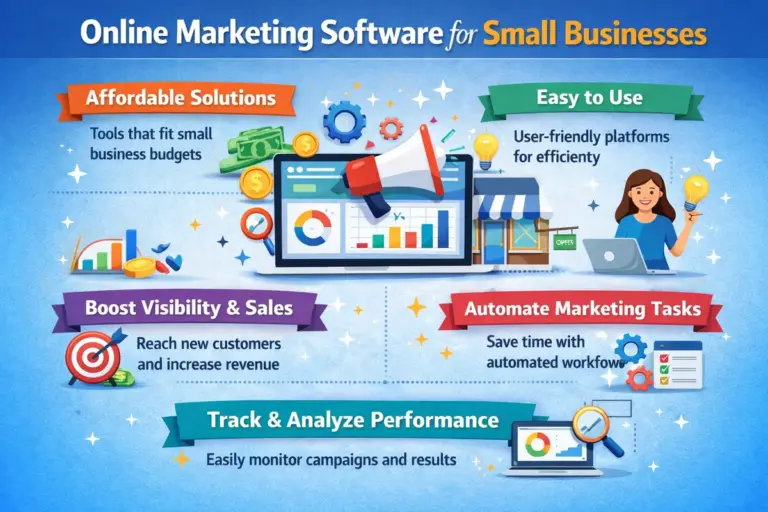
Selecting the right software depends on business goals, experience level, and budget. Beginners often benefit from starting with simpler tools or all-in-one platforms, while larger organizations may use specialized solutions.
Before choosing any tool, it helps to understand the fundamentals of what online marketing software is and how it fits into broader marketing strategies.
Common Challenges When Using Multiple Tools
Using several tools at once can create challenges, such as:
- Data fragmentation
- Integration issues
- Increased costs
- Steeper learning curves
Businesses should evaluate whether they truly need multiple platforms or whether a consolidated solution would be more efficient.
According to HubSpot, marketing software helps businesses manage
communication, automation, and performance tracking more efficiently.
Frequently Asked Questions
Do businesses need every type of online marketing software?
No. Most businesses only need a few tools that match their goals and stage of growth.
Are all-in-one platforms better than specialized tools?
It depends. All-in-one platforms offer simplicity, while specialized tools provide advanced features for specific needs.
Can beginners use advanced marketing software?
Yes, but beginners often benefit more from tools with simple interfaces and guided setup.
How do businesses avoid tool overload?
By clearly defining goals and choosing software that addresses specific requirements instead of adding unnecessary tools.
Conclusion
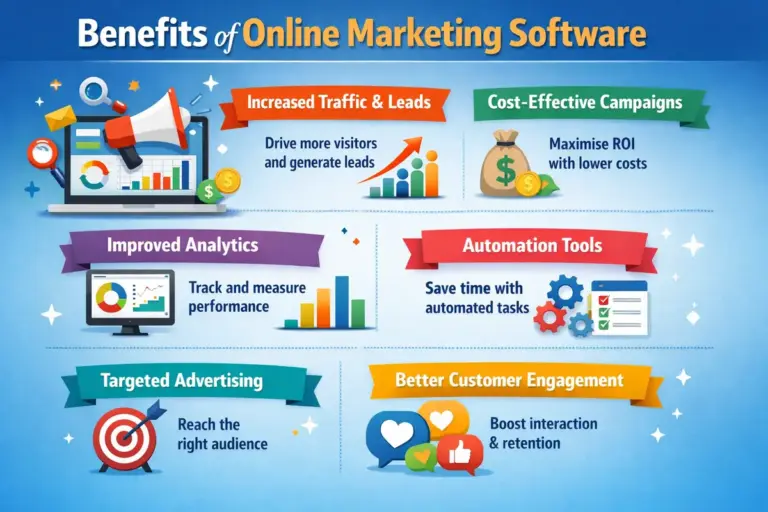
Online marketing software comes in many forms, each serving a unique purpose within the marketing process. From email marketing and automation to analytics and CRM systems, these tools help businesses manage digital marketing more effectively.
Understanding the different types of online marketing software makes it easier to choose the right tools, avoid unnecessary complexity, and build a marketing system that supports long-term growth.